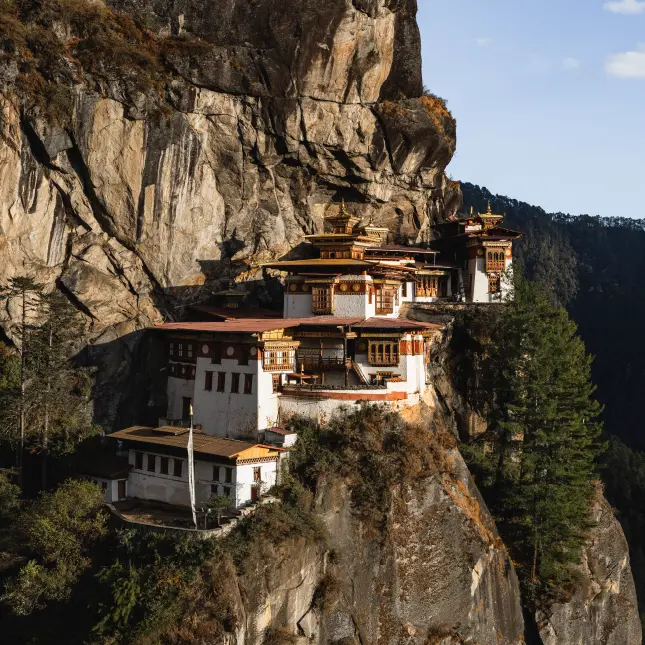
Welcome to Bhutan, a land of breathtaking landscapes, rich culture, and timeless traditions. Nestled in the Eastern Himalayas, this small, enchanting kingdom offers a unique travel experience, blending natural beauty with spiritual and cultural richness.
Geography and Climate
- Located in the Eastern Himalayas, bordered by China to the north and India to the south, east, and west.
- Its terrain is mostly mountainous, with some fertile valleys and savanna.
- Climate varies from subtropical in the south to temperate in the highlands and polar-type climate in the north.
Culture and Religion
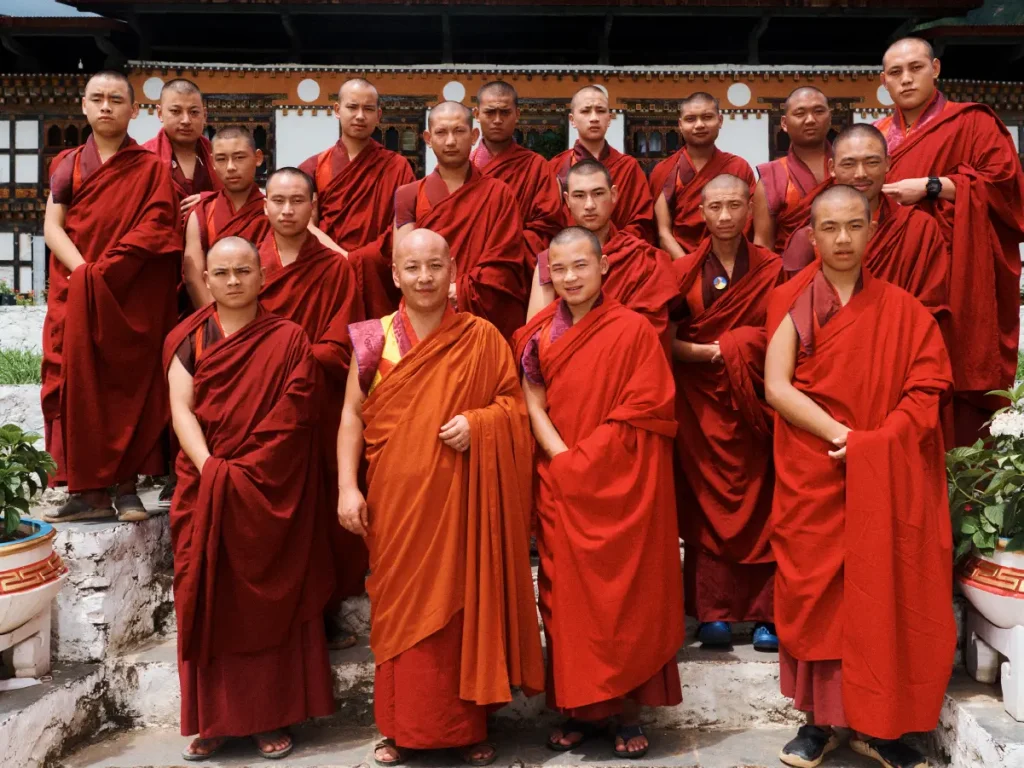
- Predominantly Buddhist (Vajrayana Buddhism), which influences its art, traditions, and festivals.
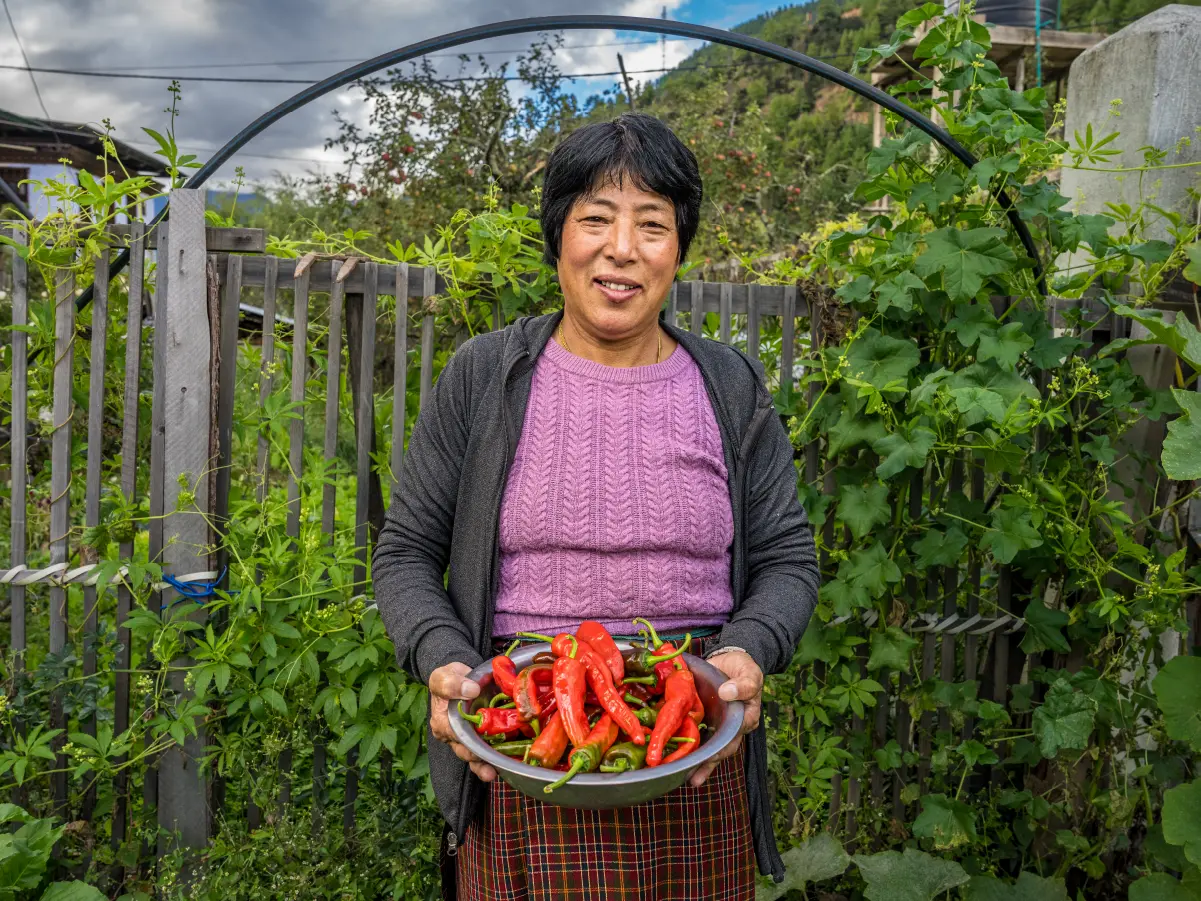
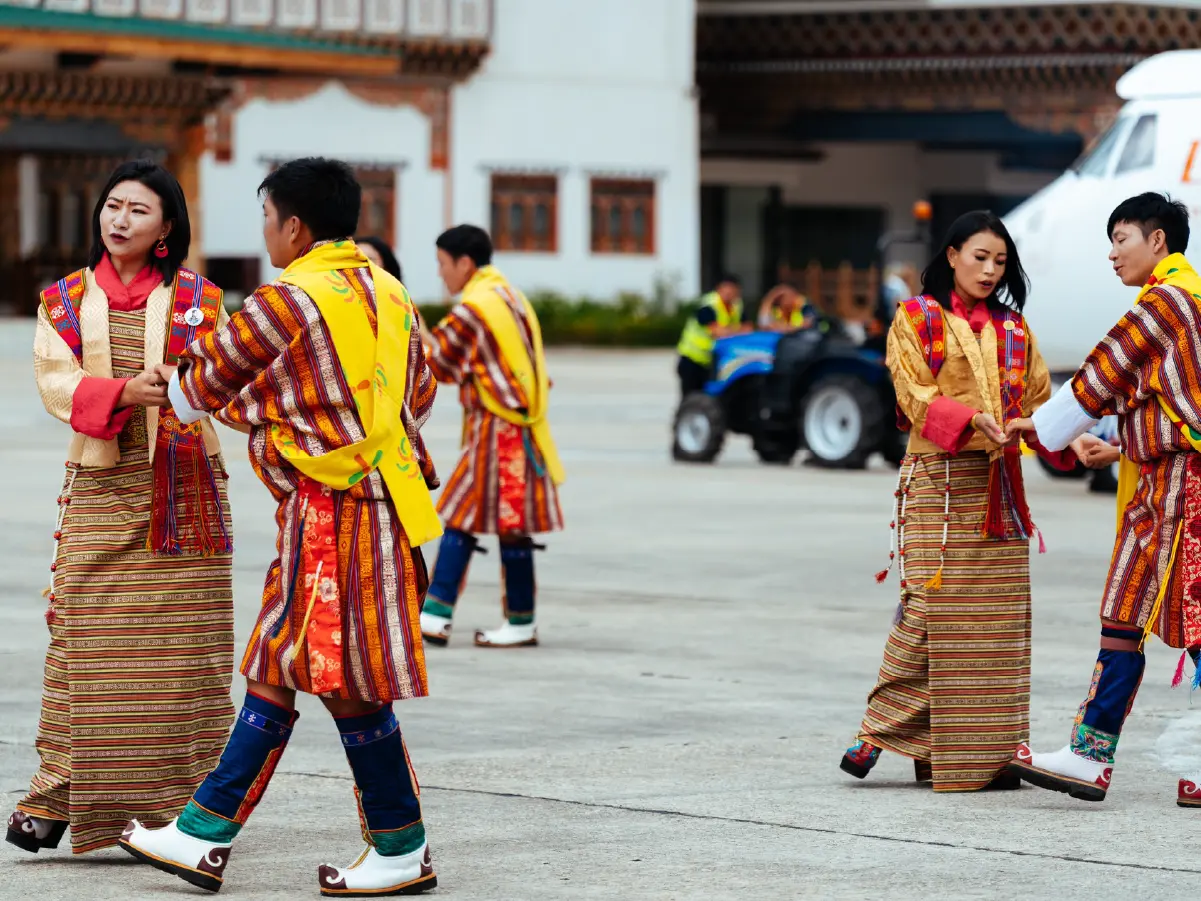
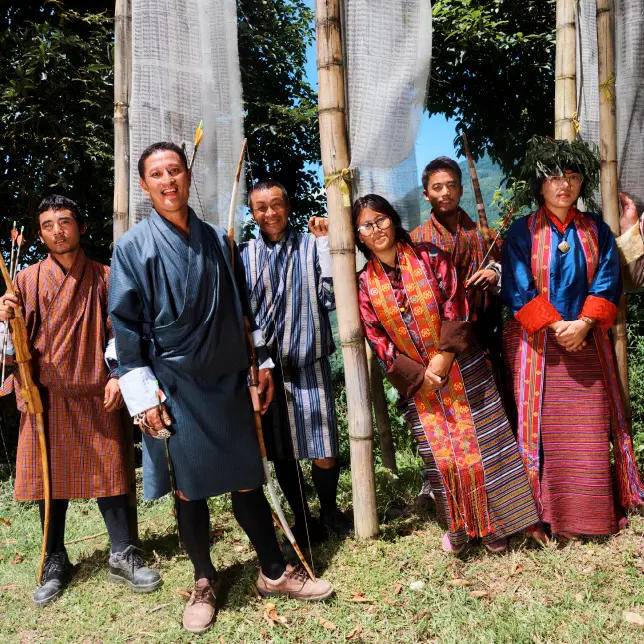
- Traditional dress: Men wear the gho, and women wear the kira.
- Major festivals include Tshechu, celebrated in various districts, featuring masked dances and religious performances.
Economy
- Major sectors include agriculture, forestry, tourism, and hydropower.
- Hydropower exports, particularly to India, are a significant source of revenue.
- Tourism is regulated to preserve its culture and environment, focusing on high-value, low-impact tourism.
Language
- Official language: Dzongkha.
- English is widely spoken and used in education and government.
Gross National Happiness (GNH)
- Introduced by the Fourth King, Jigme Singye Wangchuck, in the 1970s.
- GNH emphasizes sustainable development, preservation and promotion of cultural values, conservation of the natural environment, and good governance.
Biodiversity and Environment
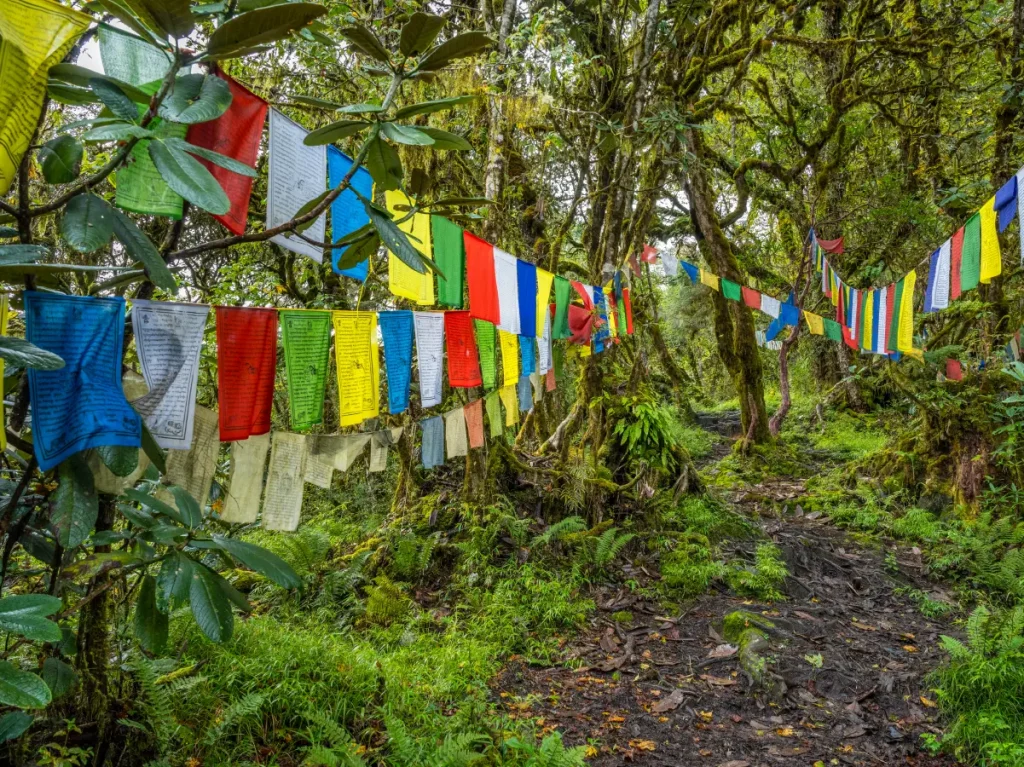
- Bhutan is known for its rich biodiversity, with various protected areas and national parks.
- It is one of the few carbon-negative countries, absorbing more CO2 than it emits.
- Efforts are made to maintain at least 60% of the country’s land under forest cover.